
Fire Alarm Systems
Addressable and conventional fire detection — smoke and heat sensors, control panels, sounders, and strobes, designed to code and commissioned by certified engineers.
Detect fire early. Evacuate safely. Meet code.
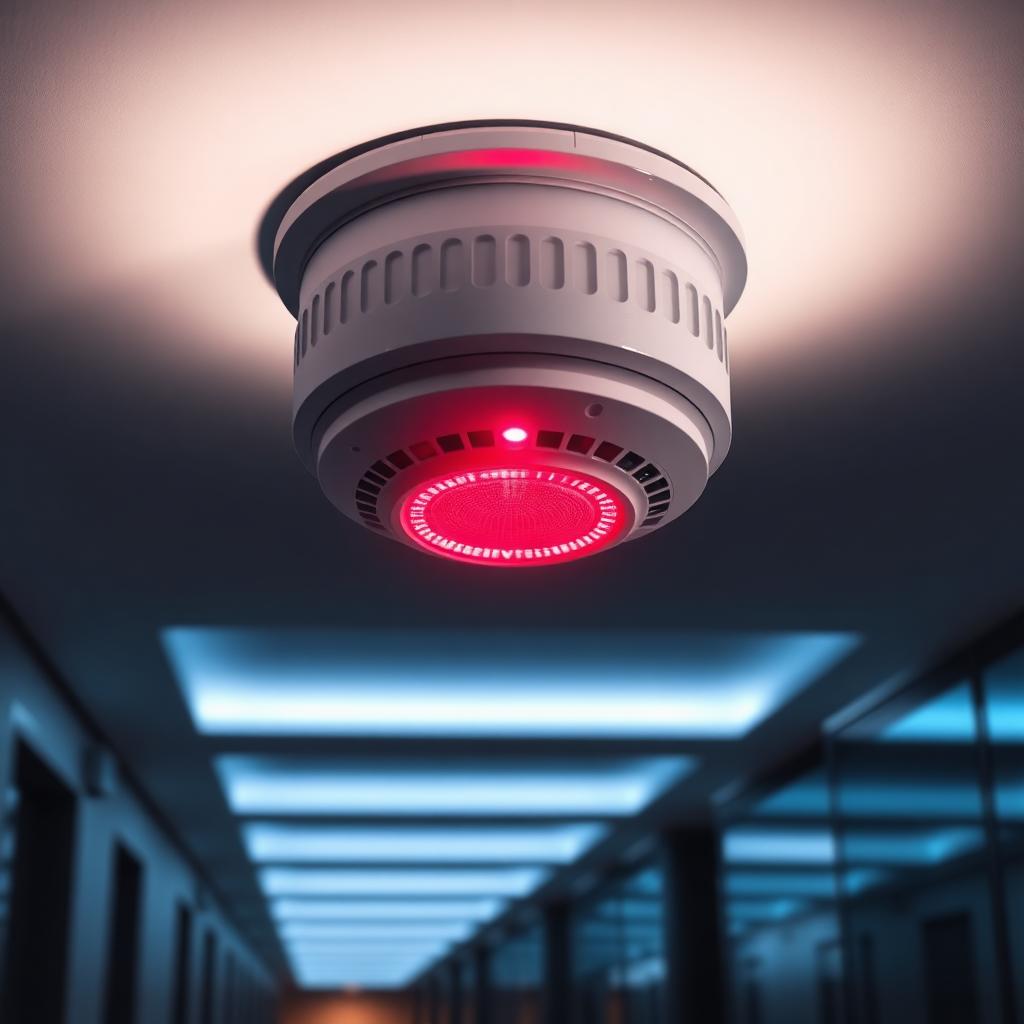
A modern fire alarm is not a single beeping box on a wall — it's an engineered network of smoke, heat, and CO detectors, manual call points, sounders, strobes, and a control panel that tells you exactly which zone is in alarm within seconds of ignition.
EverWatch designs both addressable and conventional systems based on your building type, occupancy, and local fire code. Every device is mapped to a zone, wired to a monitored panel, and tested end-to-end before handover.
Where required, we integrate with sprinkler systems, HVAC shutdown, elevator recall, access control unlock, and central station monitoring so a single fire event triggers a coordinated response, not a scramble.
Why this matters for your business.
Protect Lives First
Early smoke detection buys the minutes that matter for safe evacuation of staff, tenants, and visitors.
Protect Property
Faster alerting means faster response — reducing structural damage, downtime, and insurance loss.
Code & Insurance Compliance
Systems are designed to NFPA and local civil-defence requirements so approvals and insurance renewals go smoothly.
Zone-Level Accuracy
Addressable panels tell you which specific detector triggered — no more searching the whole building.
Integrated Response
Automatic HVAC shutdown, elevator recall, and door unlock coordinate with alarm activation.
Low False Alarms
Modern multi-criteria detectors distinguish between real smoke, steam, and dust — cutting nuisance trips.
A complete deployment, under one contract.
Smoke & Heat Detectors
Photoelectric, ionisation, heat, and multi-sensor devices matched to each environment.
Control Panels
Addressable and conventional fire alarm control panels with battery backup and network capability.
Sounders & Strobes
Audio-visual alerts sized for ambient noise levels so evacuation is unmistakable.
Manual Call Points
Break-glass and push-button call stations at every exit route for manual activation.
Environments we deploy this in.
- Bank branches and financial institutions
- Corporate towers and multi-tenant offices
- Hospitals, clinics, and laboratories
- Schools, universities, and hostels
- Warehouses and cold storage facilities
- Factories and industrial plants
- Shopping malls and retail complexes
- Hotels, restaurants, and event venues
From first site visit to handover — how we deliver.
Every EverWatch deployment follows the same disciplined, engineer-led process so you know exactly what happens at each stage.
- 01
Site Survey & Code Review
Our fire engineers survey the building, review floor plans, and identify code requirements based on occupancy class and construction type.
- 02
System Design
We produce a detector layout, zoning plan, wiring diagram, and BoQ — addressable or conventional based on building size and complexity.
- 03
Approvals Support
We prepare drawings and documentation to help you clear civil-defence, landlord, and insurance approvals before installation begins.
- 04
Cabling & Device Installation
Fire-rated cabling is pulled in conduits, detectors and call points are mounted per plan, and the panel is racked with battery backup.
- 05
Commissioning & Testing
Every device is tested with smoke aerosol or heat, addresses are verified, sounder decibel levels are measured, and integrations are validated.
- 06
Training & Handover
Your fire warden and admin team are trained on panel operation, silencing, resetting, and monthly test procedures.
- 07
Periodic Testing & AMC
Optional annual maintenance covers detector cleaning, battery replacement, panel firmware, and code-mandated periodic testing reports.
Questions we hear before every project.
Addressable or conventional — which do I need?
Small buildings under a few hundred square meters can use conventional systems (which show alarm by zone). Larger buildings, multi-floor offices, hospitals, and banks should use addressable systems that identify the exact device in alarm — much faster response and cheaper to maintain at scale.
Do you handle civil-defence approvals?
We prepare the drawings, device schedules, and technical documentation you need for civil-defence and landlord approvals, and we coordinate with your consultant or approving authority during review.
How often does the system need to be tested?
Best practice is a weekly manual call-point test, a monthly functional test of a rotating sample of detectors, and an annual full system inspection. Our AMC package handles the monthly and annual tests and produces the compliance report.
Can the fire alarm shut down the AC and unlock the doors?
Yes. The panel exposes dry contacts and relays that we wire to HVAC shutdown, elevator recall, magnetic door releases on access-controlled doors, and gas suppression systems where required.
Will detectors false-alarm on steam or dust?
Modern multi-criteria detectors combine smoke, heat, and CO signals to filter out steam, dust, and cooking fumes. We also select the right detector type per room — heat detectors in kitchens, photoelectric in offices, aspirating systems in data centres.
What happens during a power failure?
The control panel runs on a rechargeable battery sized for at least 24 hours of standby plus 30 minutes of alarm operation, per code. The system stays fully functional through outages.
Can it monitor multiple buildings from one place?
Yes. Networked panels report to a graphical head-end at your control room, and we can integrate with central-station monitoring for after-hours dispatch to fire brigade or security response.
How long does installation take?
A typical office floor takes 4–6 working days including commissioning. Larger buildings and hospitals are phased so no zone is left unprotected during the changeover.
Ready to upgrade your fire alarm systems?
Talk to our engineers about a system tailored to your site and risk profile.
Get a Free Assessment